

The UK government has recently adopted a new non-statutory definition of anti-Muslim hostility, announced on March 9, 2026, amid rising concerns over alleged hate crimes. This move, led by Communities Secretary Steve Reed, aims to provide a framework for identifying and addressing prejudice against Muslims, but it has sparked fierce opposition from all sides.
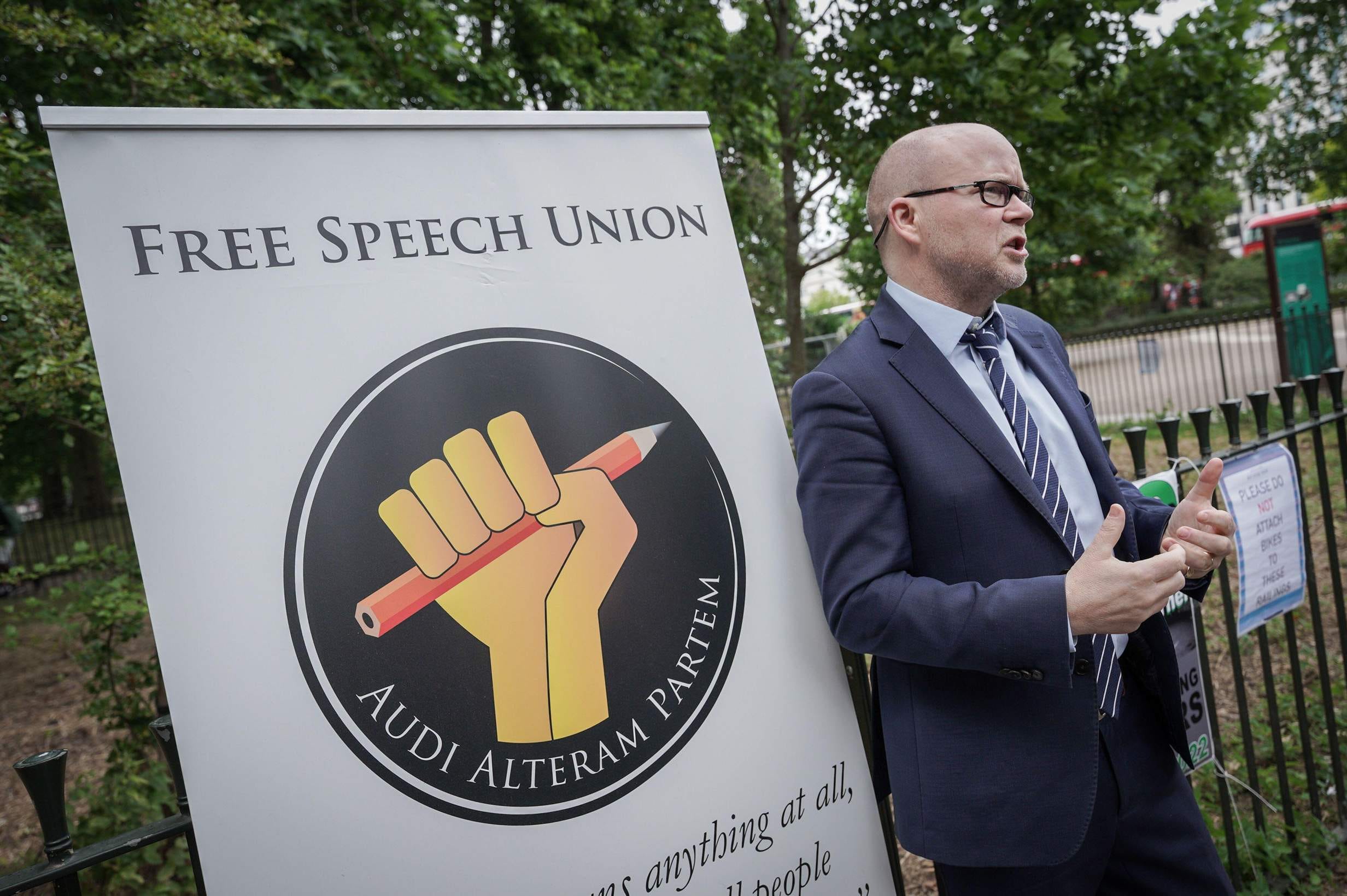
Toby Young’s Free Speech Union has launched a legal challenge, arguing that the definition effectively introduces a backdoor blasphemy law that could silence legitimate criticism of Islam and related issues. Personally I view this as another example of government overreach favouring one community at the expense of another, shutting down conversations through fear, shutting down open debate, shutting down discussions on critical matters like terrorism, changing British laws to suit one demographic and the horror of the mass grooming and gang rape of schoolchildren.
It’s all part of Labours master plan to delay the grooming gang enquiry, then issue inappropriate Terms of Reference, now finally release the Islamaphobia definition so it can intimidate and silence people as to the truth and they continue harvesting the Muslim block vote to keep them in power.
The definition itself
The government’s definition describes anti-Muslim hostility as intentionally engaging in criminal acts, such as violence, harassment, or intimidation, directed at Muslims or those perceived to be Muslim based on religion, ethnicity, race, or appearance. It also covers prejudicial stereotyping that treats Muslims as a collective group with fixed negative characteristics, while the accompanying guidance insists it safeguards freedom of speech, allowing criticism of religious ideas, it isn’t. Officials also claim this non-binding tool will help institutions respond to hate without curtailing lawful expression, and it comes alongside plans for an anti-Muslim hostility adviser to implement this new definition.
Reactions have been mixed. Some Muslim organisations, like the Muslim Council of Britain, criticised it as a diluted version of earlier proposals, urging further consultation. Hindu and Sikh groups, including the Network of Sikh Organisations, condemned it for unfairness, arguing it privileges one faith and fosters resentment, with some considering judicial review. The government’s counter-terrorism tsar, Jonathan Hall KC, warned it could inhibit free speech on Muslims and their religion.
Labour are a sinister party but I bet they didn’t envisage that Hindu, Sikh, Christians and Free Speech Union are all calling it out for what it is. A blasphemy law by the back door to protect their voter base and forced implementation by a new dedicated government tsar.
The Free Speech Union
The Free Speech Union has strongly opposed the definition, launching a fundraiser for a judicial review on grounds that it is irrational due to vague terms like prejudicial stereotyping and breaches existing equality laws by occupying the field already covered by the Equality and Human Rights Commission. Toby Young, FSU’s general secretary and a Conservative peer, described it as the most serious threat to free speech under the current government, predicting it could lead to tens of thousands losing jobs annually. In a Telegraph column, he argued it is unnecessary, as Muslims are already protected under existing laws, and will undermine free speech despite being watered down. On X, Young highlighted how it could chill discussions on Islamist extremism.
Connie Shaw, FSU’s external affairs officer explains the challenge well, noting the working group’s links to Islamist organisations like the Muslim Council of Britain and MEND, which she said raises transparency concerns. Shaw also criticises the definition for potentially stifling legitimate criticism, calling it a blasphemy law in disguise. She also featured on TalkTV, questioning former Conservative politician Dominic Grieve’s involvement in drafting it after his previous comments on the subject.
Challenges with the definition
This new definition raises serious issues, as it appears to grant special protections to one section of society, potentially shutting down vital discussions on pressing national security and social matters. While the government insists it protects free speech, the vague language opens the door to abuse, where criticism of Islamist ideology or cultural practices could be mislabelled as hostility. For instance, with around 66 percent of UK security services’ efforts focused on terrorism, often linked to Islamist extremism, any chilling effect on public debate could hinder efforts to address these threats effectively. I can see it now where someone sees something odd in their community but because of the ethnicity of the individual they say nothing, afraid of repercussions which leads to a terrible outcome.
Moreover, and the focus of my blog, the upcoming independent inquiry into grooming gangs, already criticised for its narrow terms of reference, risks being further undermined if reports or testimonies are deemed hostile under this framework. The FSU’s exposure of the working group’s Islamist connections suggests bias in the process, eroding public trust. Critics, including free speech groups, rightly point out that existing laws already cover religious hatred and discrimination, making this addition redundant and divisive.
Key challenges include:
Privileging one faith over others, as highlighted by Hindu, Sikh and Christian objections, which will breed community tensions rather than cohesion.
Weaponisation against journalists, commentators, and ordinary citizens, leading to self-censorship on topics like integration or extremism.
Undermining Britain’s tradition of open debate, effectively resurrecting blasphemy laws abolished in 2008, as warned by the FSU.
Potential for increased non-crime hate incident reports, overwhelming police and diverting resources from real crimes.
Conclusion
In conclusion, this definition exemplifies how twisted policies based on ideology and voter base can destroy fundamental freedoms, creating inequality under the guise of protection and safety. You think that these victims and witnesses will come forward for the Independent Grooming Gang Inquiry, despite its flaws, if there is a government tsar watching everything you say? No they wont and thats exactly what Labour want.
Restore Britain offers a clear alternative through policies emphasising free speech, equal treatment for all communities, and robust action against extremism without special privileges. By prioritising British values and integration, as outlined in their manifesto, Restore Britain would reject such divisive measures, ensuring open discussion on terrorism and grooming gangs while fostering true cohesion for all.