

The European Union, once touted as a beacon of unity and prosperity, is increasingly exposed as a bloated bureaucracy riddled with corruption and obsessed with controlling public narratives. Recent scandals, from high-profile bribery cases to covert media manipulation, highlight how Brussels wields power to suppress dissent and now, again, the EU has again been caught interfering in elections. They stand accused of funding a network of NGOs which are used, in tandem with onerous regulations to steer public opinion and oust governments unpopular with Brussels.
EU & von der Leyen target Viktor Orban
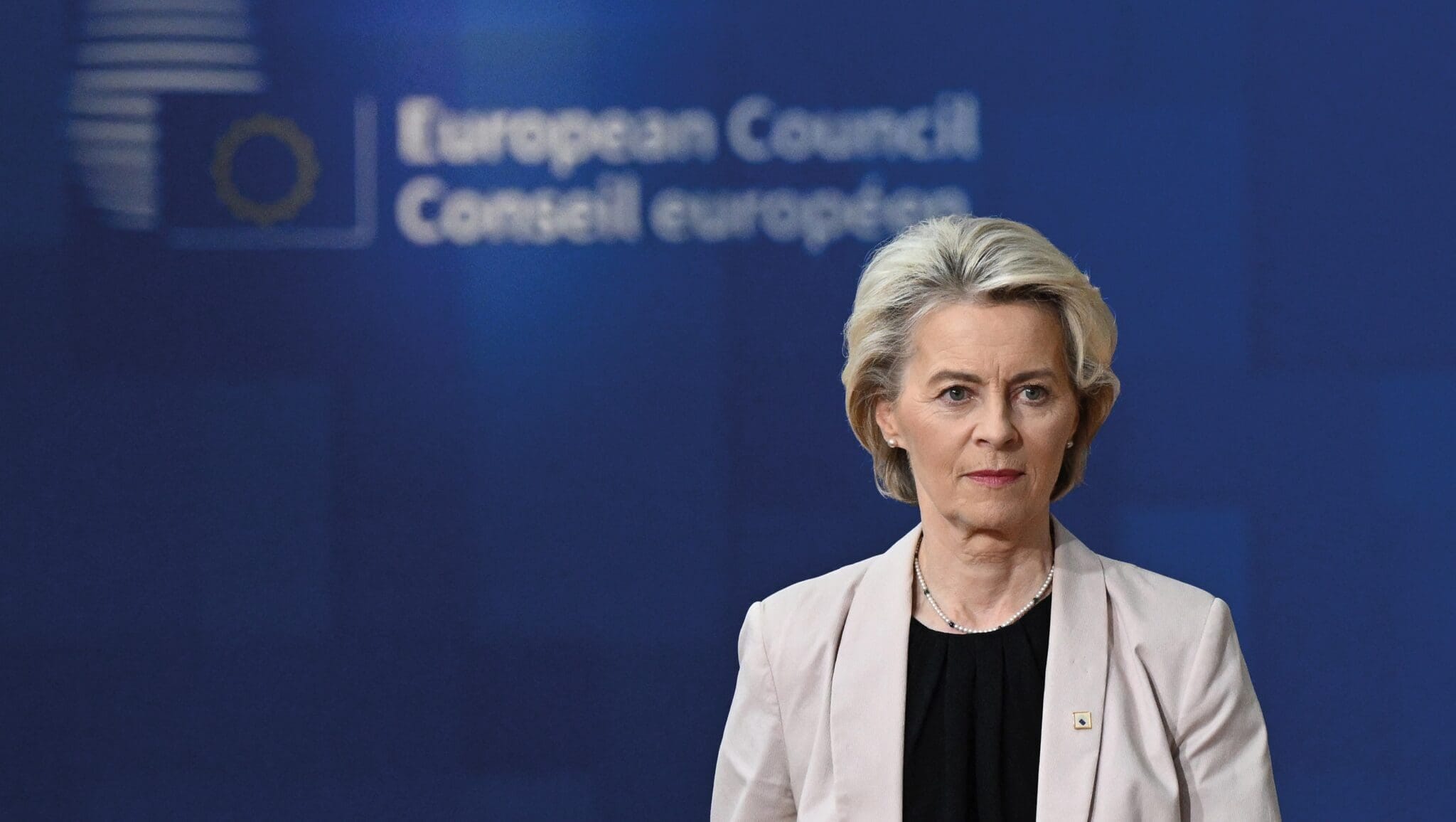
Jacob Reynolds, Head of Policy at MCC Brussels has recently revealed the lengths to which Ursula von der Leyen and the European Commission are going to scupper the chances of Hungarian Prime Minister Viktor Orban's re-election to a fifth consecutive term.
The row has turned ugly in recent weeks, with Orban and the Slovakian leader accusing Ukrainian president Volodymyr Zelenskyy of prompting an oil crisis in their countries on Brussels' behalf by holding up the flow of Russian oil to their countries midwinter, during Hungary's election. A pumping station was later set on fire, which Ukraine blames on Russia.
Orban, however, is unconvinced, viewing the saga as an attempt by Brussels to sway the Hungarian election and has vowed to block a 90 billion euro loan to Ukraine until the pipelines resumes operations. In response, Zelenskyy appeared to threaten military action against Viktor Orban, for which he was been widely condemned but again not covered in the main stream media, probably due to EU and UK control of the narrative with MSM.
Reynolds has exposed the way in which Brussels operates through its network of allies, NGOs and regulations to control the politics of its member states. The MCC Brussels has set up the Democracy Interference Observatory to track the war it says Brussels is waging against free speech and democracy across the continent, already unearthing shocking revelations which to be fair we already had an suspicion.
EU corruption and narrative control
Investigations and reports from 2023 to 2026 reveal a pattern of systemic corruption within EU institutions. Key examples include:
Qatargate, where Belgian prosecutors uncovered cash-for-influence schemes involving Qatar and Morocco, implicating senior officials in the European Parliament and leading to arrests and images of large cash sums.
The Huawei bribery probe, with searches in Belgium and Portugal targeting lobbyists influencing EU decision-making, resulting in requests to lift parliamentary immunity for several MEPs.
Federica Mogherini’s procurement fraud charges, linked to irregularities in an EU-funded diplomatic training programme at the College of Europe, involving conflict of interest and violation of professional secrecy.
Marine Le Pen’s conviction for embezzling EU parliamentary funds, seen by some as politically motivated but underscoring misuse of taxpayer money.
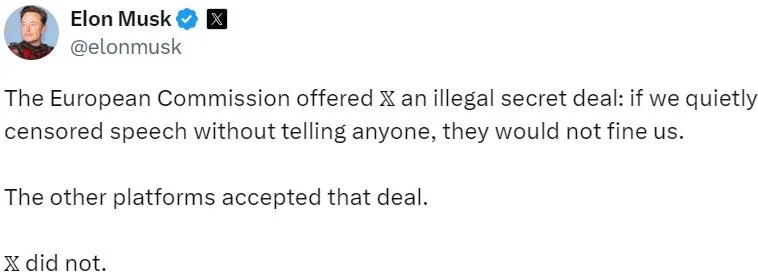
On narrative control, the EU’s Digital Services Act (DSA) has been weaponised to police online speech, pressuring platforms like Google, Meta, and X to adopt global censorship rules. Only recently they tried to publicly impose an unjust fine on X but privately told Elon Mush they would drop it if they can control the content on the free speech platform to which Elon told everyone what they were up to and good on him!
US House Judiciary Committee reports detail over 100 closed door meetings since 2020, where EU officials coerced companies to censor content on migration, Ukraine, transgender issues and targeting conservative voices.
This has spilled over internationally, with accusations of EU interference in US and member state elections, including funding NGOs to manipulate polls in Hungary and Romania. Mainstream media silence on these issues, coupled with €132 million in opaque grants to outlets ahead of EU elections, suggests Brussels is buying favourable coverage to maintain its grip.
Challenges with EU Corruption and Control
The EU’s anti-corruption efforts, such as the 2025 directive, have been watered down by member states, failing to address illicit enrichment or abuse of office effectively. This patchwork of laws allows scandals to persist, eroding trust and costing Europe an estimated €990 billion annually. Narrative control via the DSA not only stifles free speech within the bloc but imposes it globally, affecting UK users and drawing backlash from US Republicans who label it a “foreign censorship threat.” Challenges include:
Lack of transparency in EU funding to NGOs and media, enabling election meddling without accountability.
Disproportionate targeting of sovereigntist leaders like Viktor Orban, using financial penalties and disinformation labels to delegitimise opposition.
Institutional hypocrisy, where the EU preaches democracy but silences critics through fact-checkers and content removal demands, risking a “global censorship regime.”
These issues highlight the EU’s transformation into a mafia-like entity, prioritising elite interests over national sovereignty and public welfare.
Restore Britain will bring back sovereignty
The EU’s corruption and narrative stranglehold represent a clear danger to democratic principles, with scandals like Mogherini’s fraud, DSA-driven censorship and attempted controlling of social media platforms, exposing a system rotten to its core. For the UK, full detachment from this pool of deceit is essential to reclaim independence. Restore Britain’s policies, championed by Rupert Lowe, offer a path forward through restoring national sovereignty, rejecting EU overreach, and prioritising British interests in trade, borders, and governance. By implementing these measures, Britain can eliminate residual EU influence, combat corruption at home, and build a prosperous future free from Brussels’ manipulative grasp.