


If you’ve been following UK tech news, you might have heard that Ofcom (the UK’s communications regulator) is actively monitoring VPN usage. This revelation has sparked a wave of paranoia, with people wondering if the government is watching their every move online.
Recent statements from Ofcom, prompted by an investigation from TechRadar, have raised more questions than answers. Is this legitimate surveillance, or is it just government fear-mongering designed to scare you out of your digital privacy?
When pressed by TechRadar on how they are accessing information about VPN use in the UK, Ofcom admitted they use a “leading third-party provider” to gather data.
Their official statement included a few key points:
They use a third-party provider (which they refused to name).
They combine “multiple data sources” to train AI models and generate user estimates.
The data is “fully aggregated,” meaning they claim no personally identifiable information is included. (Yes we agree, we don’t trust that either!)
If Ofcom actually had access to user level data, exactly who is doing what, they would likely be shouting it from the rooftops to enforce the law. The fact that they are relying on “estimates” and “models” suggests they cannot see your specific browsing history.
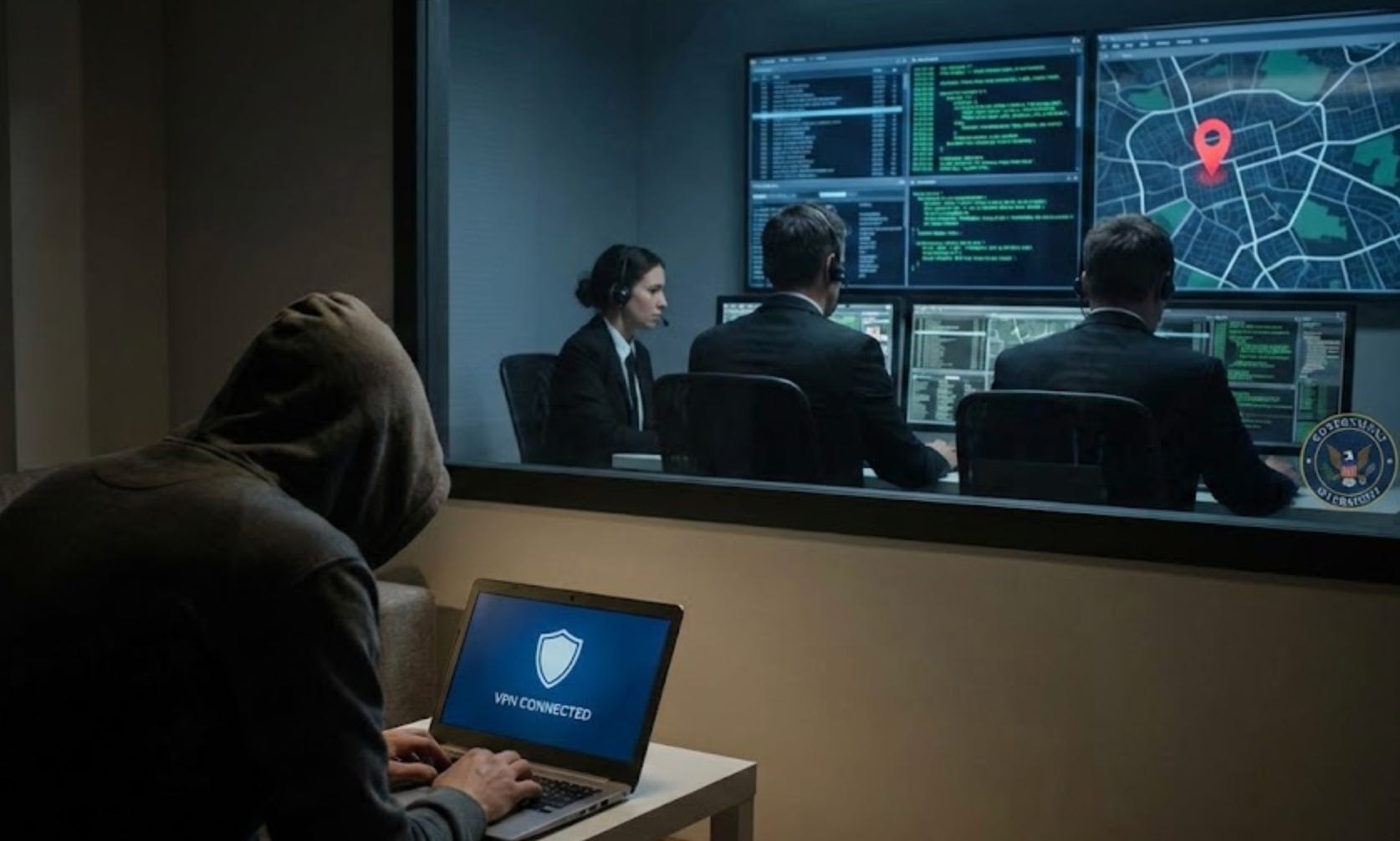
Refusing to name their technology partner raises alarms
While Ofcom claims transparency, their refusal to name the third party vendor is concerning. Is this vendor a privacy respecting data firm, or a company known for invasive surveillance? We don’t know.
However, the ambiguity seems intentional. By releasing vague statements about “monitoring tools” and “AI models,” the goal appears to be psychological rather than technical. They want the public to fear using VPNs.
I’ve had conversations with friends worried that Ofcom knows the last time they visited a private site. This is almost certainly not the case. While ISPs can see you are using a VPN, they generally cannot see inside the encrypted tunnel to see what you are doing, provided you are using a reputable VPN that keeps no logs. If you are using a VPN then ensure you know they are fully independently audited and have no links to the government!
The Online Safety Act
Why is Ofcom doing this now? It all circles back to the controversial Online Safety Act (OSA).
Since the introduction of mandatory age checks on adult websites, VPN usage in the UK has skyrocketed. Ofcom estimates daily VPN users rose to 1.5 million following these restrictions.
The Government’s problem is that VPNs allow users to bypass age checks by routing traffic through countries where those checks aren’t required but Ofcom wants to prove the OSA is working, or conversely, report that VPNs are a htreat to children thus undermining it to justify stricter controls and government to ban VPNs with no logs and provide access to those logs to government. Effectively making them worthless.
It creates a bizarre legal gray area. It is technically against the rules for content providers to tell you to “download a VPN to bypass age checks.” However, using a VPN for privacy is perfectly legal, and bypassing age checks is often just a byproduct of that privacy.
Can they really ban VPNs?
With all this tension, is a VPN ban incoming? It is highly unlikely but you never know with Kier Starmer who has been caught lying time after time and some MPs have said they need banning, probably more out of a misunderstanding of the entire scenario.
VPNs are not just tools for bypassing Netflix geo-blocks or age checks; they are fundamental to the operational security of the internet. Businesses rely on VPNs for remote work and secure data transfer. The Government itself uses VPNs for security.
Traceability is difficult. If you use a verified no-logs VPN, proving in court that a specific person accessed specific content is technologically near impossible without the VPN provider’s cooperation (which they won’t give if they have no logs).
Banning VPN technology would essentially break the internet infrastructure that the UK economy relies on.
Check your VPN providers credentials
Don’t let the government scare you out of your own privacy. Regardless of the Online Safety Act, there are critical reasons to use a VPN, specifically regarding Public Wi-Fi.
If you are connecting to Wi-Fi in a coffee shop, airport, or hotel, your data is vulnerable. A VPN encrypts that connection, offering a layer of protection that public networks cannot.
Ofcom is likely using generalised traffic data from ISPs and self reported numbers from VPN companies to compile reports on the overall trends. They are likely not to be watching your individual screen. The Online Safety Act has created a messy battle over digital rights, but the technology remains the same.
A good VPN is a tool for privacy and you must use one. Check your provider to ensure their legitimacy and make sure they have no logs.