


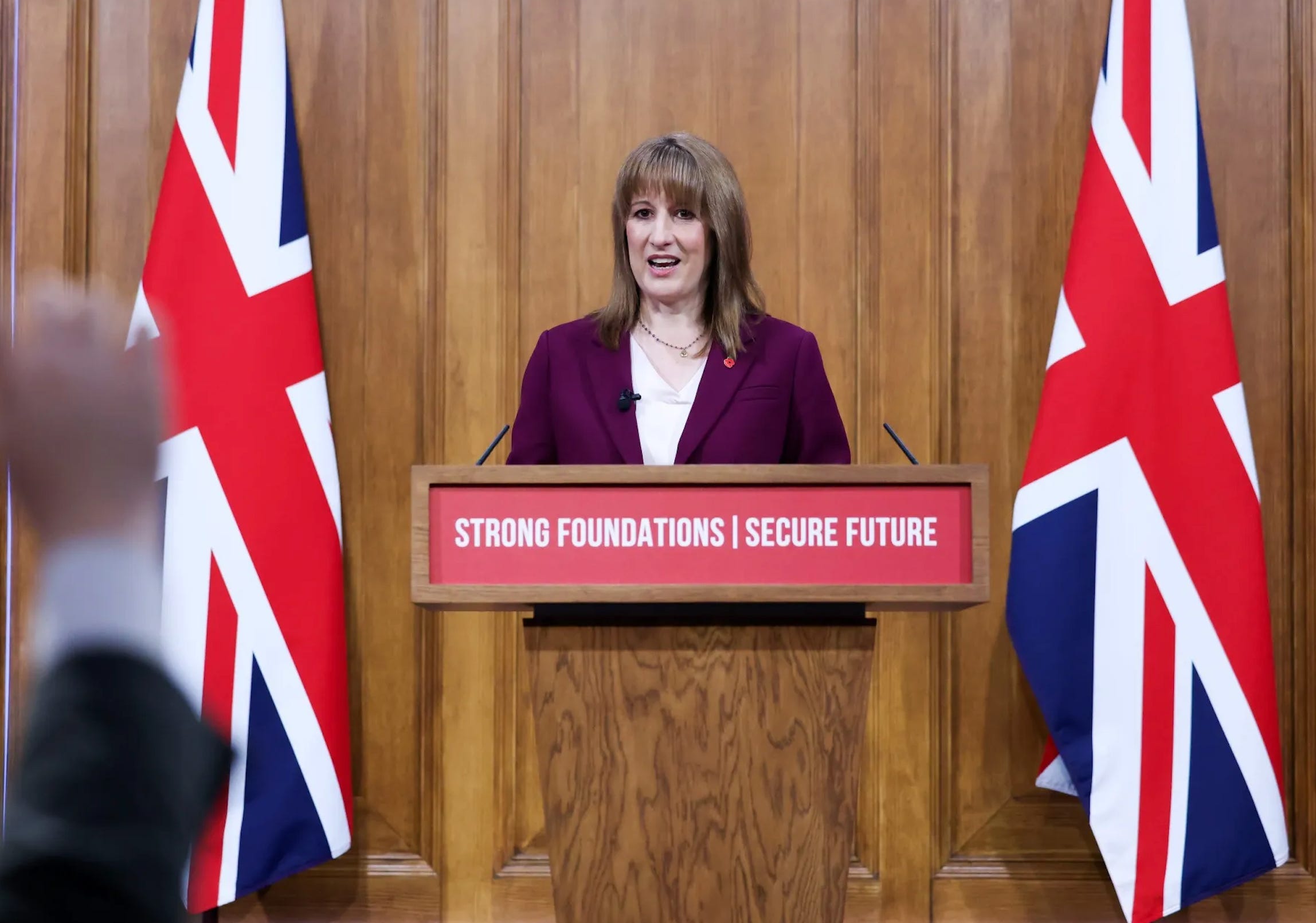
I’ve watched with utter bemusement today as Rachel Reeves hailed the FTSE 100 smashing through the 10,000 mark for the first time as “a vote of confidence in Britain’s economy and a strong start to 2026.” It’s a classic case of political spin masquerading as economic insight.
Far from signalling robust faith in the UK, this milestone reveals more about global market whims than domestic strength. In fact, it’s a damning indictment of how disconnected the government’s gaslighting narrative is from reality.
Let’s unpack why Reeves is lying mistaken, starting with an astute observation about the index’s composition and expanding on additional flaws in this so called “good news.”
The FTSE 100 is for global giants, not domestic British companies
At its core, the FTSE 100 is a poor proxy for the UK’s economic health because it’s dominated by multinational behemoths whose fortunes are tied to the world, not Westminster. Roughly 75% of the index’s revenues come from overseas markets, with some estimates putting it as high as 82%. Think Shell, BP, HSBC, and Unilever—these titans derive the bulk of their earnings from Asia, Europe, and the Americas. When oil prices surge due to geopolitical tensions or consumer goods fly off shelves in emerging markets, the FTSE 100 benefits, regardless of Britain’s sputtering growth.
This international skew means the index can thrive even as the UK economy falters. In 2025, for instance, the FTSE 100 surged 22%, shrugging off weak GDP data and a contraction in October. Critics who call Reeves “delusional” for claiming credit aren’t exaggerating, this performance reflects global trends like AI-driven efficiencies and commodity booms, not Labour’s policies or British resilience. If anything, it’s a reminder that the FTSE 100 is more a play on international diversification than a thumbs up for the UK.
The FTSE 250 tells the real story of the domestic car crash under Labour
If you want a genuine measure of confidence in Britain’s homegrown businesses, look to the FTSE 250. This mid-cap index is far more domestically oriented, with about 57% of revenues generated within the UK. It’s packed with companies tied to British consumers, services, and manufacturing, the beating heart of the economy that Reeves claims is winning votes of confidence.
The contrast couldn’t be starker. While the FTSE 100 rocketed 22% in 2025, the FTSE 250 limped along with a mere 9% gain. That’s not a vote of confidence, it’s a red flag. The 250’s underperformance highlights investor skepticism about the UK’s internal challenges, from political uncertainty to sluggish productivity. Over the long haul, the FTSE 250 has actually delivered higher returns than the 100, but in recent years, it’s been dragged down by the very issues the government prefers to ignore.
Currency tricks and the illusion of strength
Another layer of deception, the FTSE 100 often gets an artificial boost from currency fluctuations. When the pound weakens, overseas earnings convert into more sterling, inflating profits and share prices. True, the pound strengthened overall against the dollar in 2025, gaining about 8%, but it ended the year on a sour note, slipping as the index hit its high. This mixed performance underscores that the FTSE’s rise isn’t rooted in UK fundamentals, it’s buoyed by external factors. A weaker pound might attract foreign investors seeing bargains, but it also erodes purchasing power for British households and businesses, hardly a cause for celebration.
Ignoring the broader economic rot
Reeves triumphalism is especially galling when stacked against the UK’s grim economic indicators. Real GDP growth for 2025 clocked in at a paltry 1.3-1.5%, far below what’s needed to tackle entrenched issues like low productivity and regional disparities. The economy even shrank by 0.1% in October, signalling a slowdown after a fleeting post-recession bounce.
Inflation remains stubbornly high at 3.2% in November, growing from 2% when labour took power, eroding wages and fueling cost-of-living pressures. Unemployment is also soaring and now around 4.8%, with labour costs squeezing firms into job cuts. These aren’t signs of confidence, they’re symptoms of an economy reeling from Labour policies. The FTSE 100’s “old economy” tilt toward banking and resources might insulate it from these woes, but it doesn’t fix them.
It’s not an endorsement of the economy!
In conclusion, the FTSE 100’s record high is no endorsement of Britain’s economy, it’s a globalised distraction from domestic decay. By touting it as such, the Chancellor risks misleading the public and delaying urgent fixes like boosting investment, addressing skills shortages, and stabilising fiscal policy. If this is Labour’s idea of good news, heaven help us when the bad times roll in. The real vote of confidence will come when the FTSE 250 surges, GDP accelerates, and everyday people feel the benefits not when a handful of multinationals cash in on the world stage.