


Since 2006 the country has spent more than £220 billion on green initiatives, yet it accounts for less than 0.8 % of global emissions. The result? A 37 % drop in energy consumption since 2005 , not because we’re all suddenly hyper efficient, but because heavy industry has closed or moved abroad, taking jobs and emissions with it. We are just outsourcing our jobs, industrial capacity and emissions elsewhere.
Our energy bills are now among the highest in the developed world, blackout risks are rising, and the grid is increasingly dependent on unpredictable wind and solar. North Sea oil and gas exploration licenses are being refused and wells are being filled with concrete whilst we marvel at how wonderful we are to the the net zero ideology god.
Meanwhile, other countries with abundant shale gas or oil enjoy far lower prices and stronger economic growth that the UK. They even then sell their surplus energy back to us at exorbitant prices, whilst we have that very same source of energy at our disposal but we are too ideologically blinkered to use it.
Here’s are the two biggest problems the concerns with net zero itself and the hidden mechanics of the subsidy machine that keeps it alive.
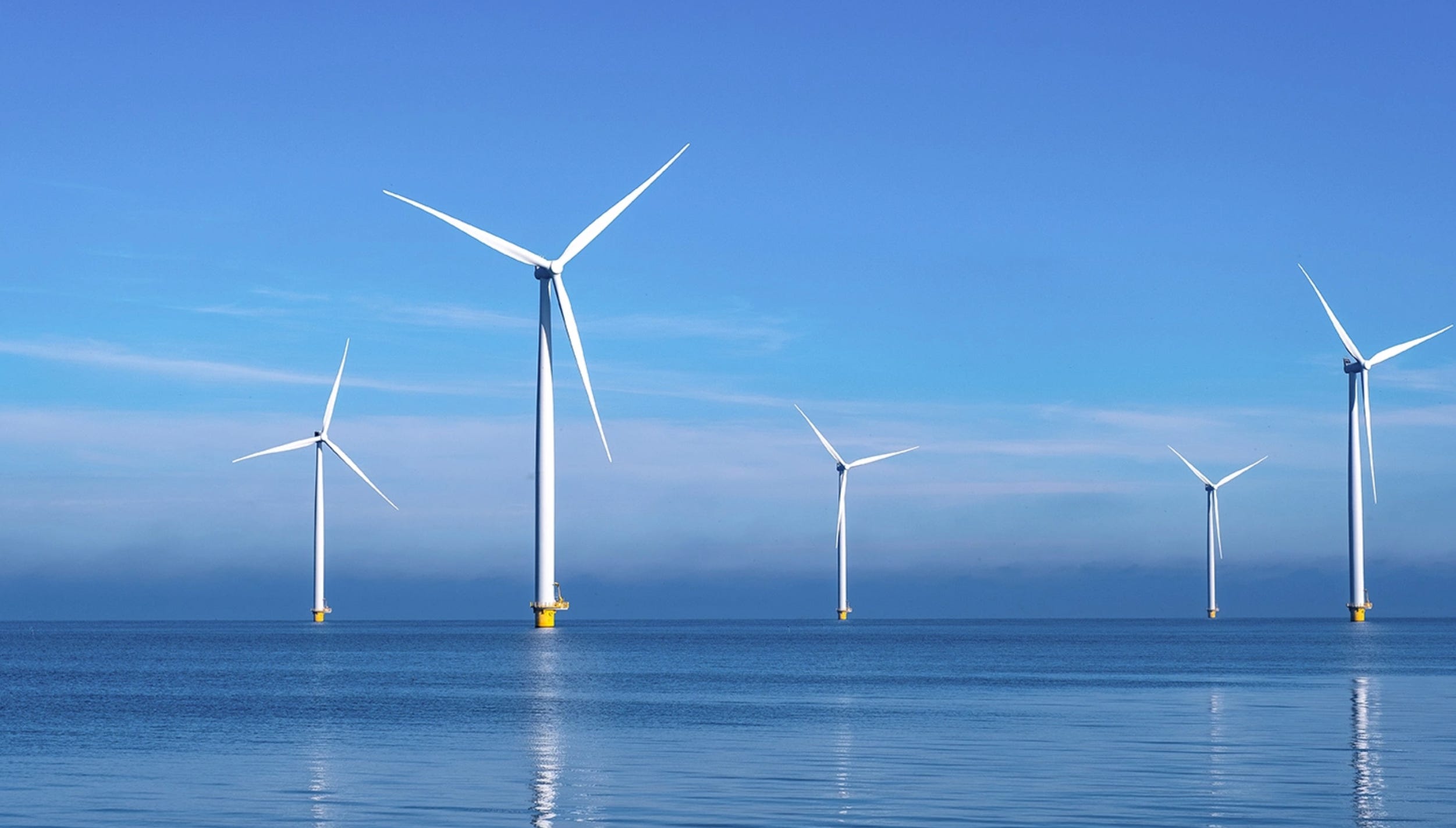
The main concerns with Net Zero
Even if the UK eliminated every tonne of its emissions tomorrow, the effect on global temperatures or CO₂ levels would be negligible while China, India and others continue building coal plants and still going through their own version of the industrial revolution.
The belief that many hold where once the UK achieves net zero we can then apply that environmental standard as a entry requirement for other countries around the world to sell goods and services to us is sheer delusion. You think India and China are going to bow down to the UK? Interesting…
Deindustrialisation in Disguise
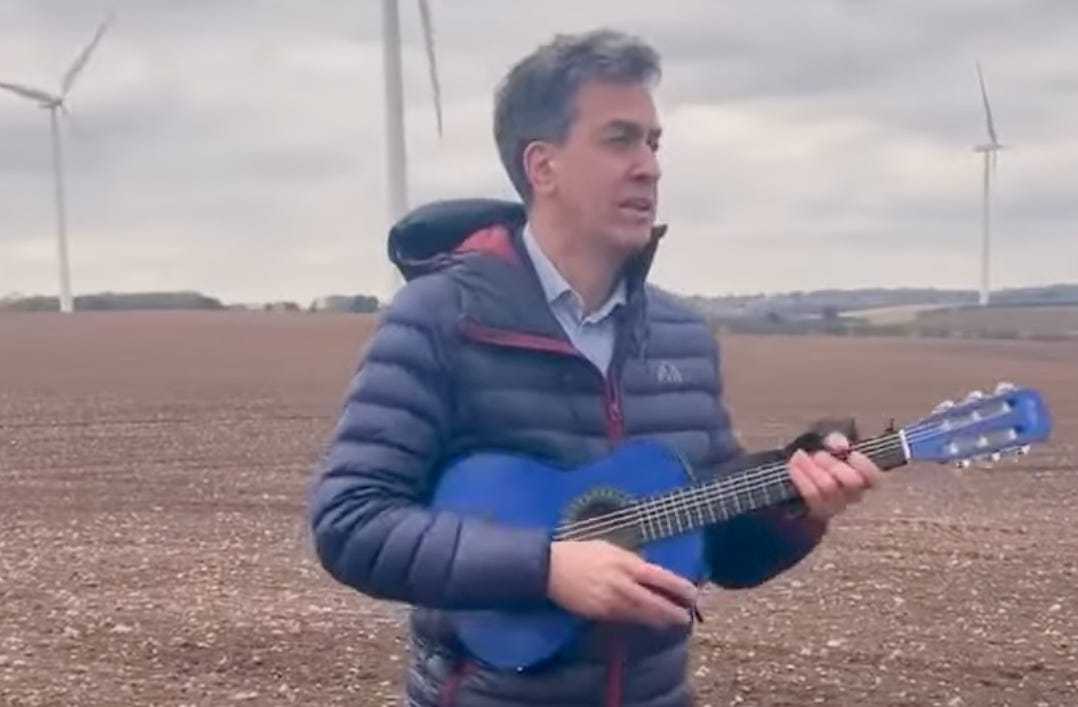
High energy costs have driven our steelworks, refineries, fertiliser plants and other energy intensive businesses to shut down or relocate. Emissions haven’t disappeared, they’ve simply been offshored. Wind and solar are also intermittent in the UK. When the wind doesn’t blow or the sun doesn’t shine, backup is needed fast. We are demolishing perfectly good power stations on the altar of net zero, retiring aging gas plants with none of the replacement infrastructure that takes years to build in place, leaving the entire energy system vulnerable and chaotic. But don’t worry we have Ed Milliband on his ukulele in a field singing about how great wind farms are to keep up warm.
The £220 billion (and counting) spent has delivered almost no measurable growth benefit, while loading households and remaining industries with some of Europe’s highest electricity prices.
We all know that fossil fuels wont last forever, so we need so move to a more sustainable power source. What we need need a much better smoother longer term plan for the transition.
How the subsidy system actually works
Most people think renewables are now cheaper than fossil fuels. That claim only holds if you ignore the vast web of subsidies and levies that hide the true cost, which is much much higher. The governments election of cheaper energy and £300 off your reducing bills is not possible.
Green levies are added directly to every electricity bill. They currently make up around 20 % of the average household bill.
Contracts for Difference (CfDs) guarantee wind and solar developers a fixed price £100–£150/MWh or higher for 15 years, indexed to inflation. If wholesale prices fall below that level, consumers make up the difference; if prices rise above it, developers pay back the surplus (though early contracts were heavily one-sided).
Older Renewables Obligation (RO) and Feed-in Tariff schemes are even more generous and still cost billions every year on assets built a decade ago. The total subsidy per ‘green job’ is around £192,000 per year. Obviously far higher than average wages and far higher than productivity in the sectors being crowded out. These mechanisms lock in high costs for decades. Even if new wind farms are cheap to build today, consumers remain on the hook for inflated prices agreed years ago.
A more sensible path going forward
We think a change is needed in our approach and suggest the following;
Move green subsidies to general taxation. We should move green levies off all our bills and move into general taxation. If the policy is truly vital to the infrastructure of our nation, the Exchequer should pay, not just electricity users.
Reduce wastage to help pay for subsidies. There is so much wastage in government, giving billions away abroad every month, simply cutting that and reducing the size of the state would cover the cost of circa £25bn a year.
Stop funding overseas net zero projects It’s crazy when you think British consumers pay subsidies on their bills whilst at the same time millions of pounds of their taxes are given to countries like Kenya, Nigeria, South Africa, India, Brazil and Vietnam for their own net zero projects.
Restart North Sea production We need to permit new licenses and introduce tightly regulated fracking where geologically suitable. Remember this is not a policy for all time, only to smooth the transition to more sustainable mix of energy sources and not killing industry and the economy. Keeping gas as firm backup and accept that a balanced mix; nuclear baseload + gas + limited renewables, is vastly cheaper and more reliable than trying to run everything on weather.
Launch a proper nuclear building programme using proven designs from experienced builders combined with our own technology providers like Rolls Royce who provide the modular reacts for our nuclear fleet. We have the skills already, RR could even start a young persons recruitment programme to get them the skills we need going forward whilst we are in the planning phase.
Net zero is ideological fantasy
Net zero, as currently designed, is not an environmental policy; it’s an industrial scale transfer of wealth from households and productive industry to landowners, developers and subsidy recipients. Ironically some of those openly donate the Labour party and then receive it back many times as contracts. Until the subsidy architecture is dismantled and replaced with honest pricing and pragmatic engineering, Britain will continue paying first world prices for third world levels of energy security.
The technology exists to deliver abundant, affordable, low carbon electricity. Nuclear power is proven, deliverable and increasingly cost competitive when built efficiently. What’s missing is the political will to choose engineering reality over ideological fantasy.
Time to change course before the lights go out for good.