

Introduction
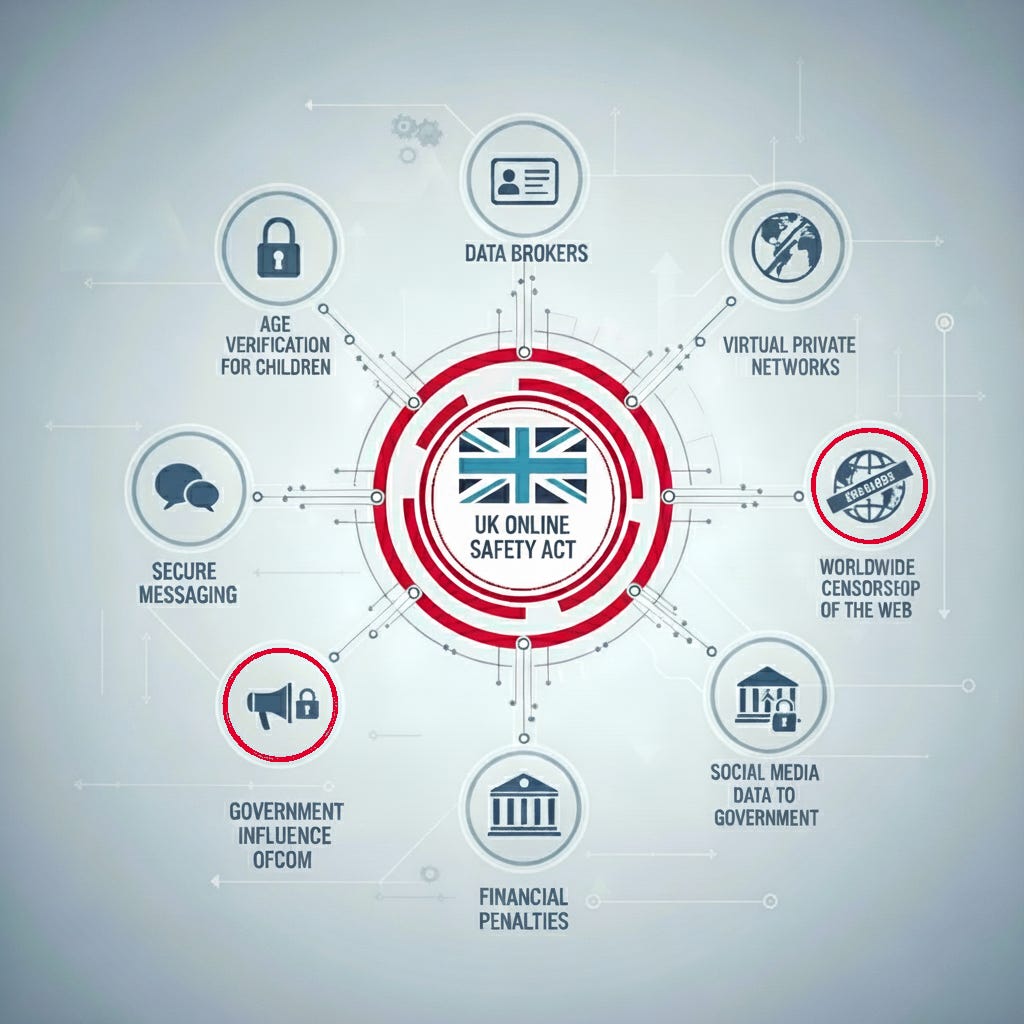
Another section of note is 44 that grants the Secretary of State the power to direct Ofcom to modify its code of practice. This power can be exercised for reasons that the government believe are of national security, public safety, or public policy.
Secretary of State's Authority: The Secretary of State can issue a direction to Ofcom requiring modifications to a draft code of practice related to terrorism and child sexual exploitation and abuse (CSEA).
Reasons for Direction: This power can be used if the Secretary of State believes the modifications are necessary for reasons of national security, public safety, or "exceptional reasons relating to public health or relations with the government of a country outside the United Kingdom."
Ofcom's Obligation: Ofcom must comply with the direction and submit a revised draft of the code of practice.
Transparency: The Secretary of State must provide reasons for the modifications, unless doing so would be against the interests of national security, public safety, or international relations. In such cases, the Secretary of State must inform Parliament that a direction has been given without providing the specific reasons.
This summary has been checked by AI and deemed accurate.

In reality every government needs to be able to make changes to any security measures at anytime, after all their primary objective is to protect its citizens. The government's position is that these powers are necessary for a rapid, flexible response to serious and evolving online threats, particularly concerning terrorism and CSEA. But these definitions could in theory be modified at any time, without parliamentary scrutiny, without a vote, and if the changes are cited as being for ‘public safety’ they are not compelled to disclose the underlying reasons for those modifications to the country.
You would be forgiven for thinking that maybe this isn’t an major issue as we are targeting children’s safety first and foremost but we need to remember that the government have confirmed they are pushing ahead with giving voting rights to 16 and 17 year olds. So on the one hand you can be old enough to vote, old enough to pay taxes, old enough to go to war, but you are not old enough to see information that could inform you to make a balanced informed opinion on policies you wish your government to implement, thus who you would vote for and the future of the country.
We saw this exact scenario on the very first day where some speeches in Parliament by Katie Lam MP accusing the government of watering down plans for a promised national inquiry into the grooming gangs and the now acknowledged coverup by Jess Philips MP, were restricted by an overcautious X.
To give balance, the Act does explicitly state that platforms must maintain "freedom of expression" and "journalistic content" clause that protects content of "democratic importance" but this is from recognised news publishers. So whistleblowers or citizen journalists who can have millions of younger followers could see their content restricted from those under 18 voters because the platform provider is being over zealous on what content to restrict because of the serious penalties and fines they could face.
These are opinions of UbiquitousReach.org.