


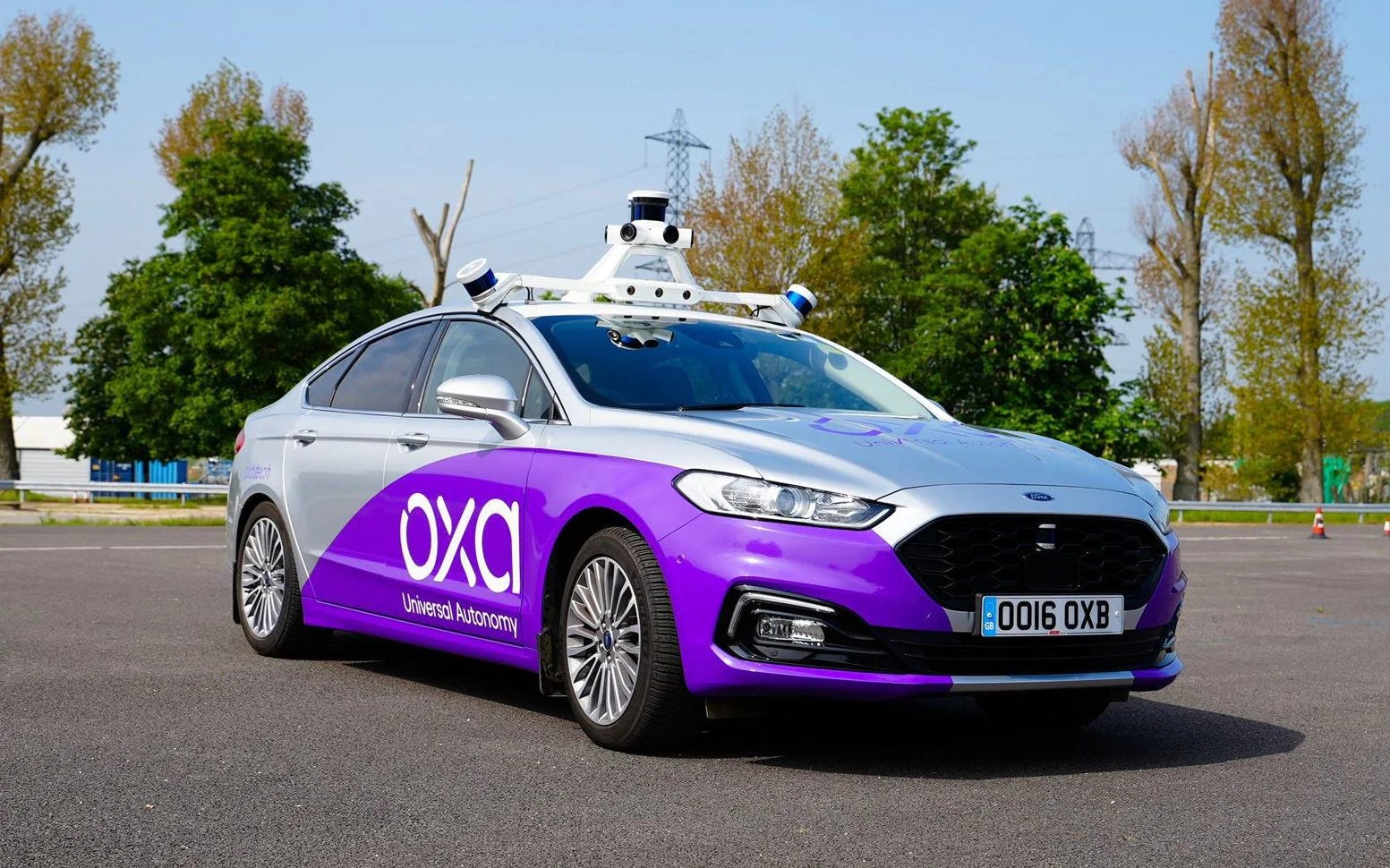
Reports from The Telegraph this week confirm what many observers have long feared. Chancellor Rachel Reeves is preparing to use the National Wealth Fund to inject millions of pounds of taxpayer money into Oxa, a retro self-driving car software startup founded by an Oxford academic.
While the technology of having software that can drive any vehicle is interesting and impressive, the economics of this decision are deeply troubling. At a time when the UK’s financial outlook is bleak, this move represents a fundamental misunderstanding of the government’s role in the economy.
It’s not the job of the Treasury to play Venture Capitalist with taxpayer money nor borrow on the markets leaving taxpayers to make those repayments too.
The £3 Trillion Reality Check
Despite the Government expecting us to applaud the government for gambling on the future, we must look at the present stark realities. The UK is staring down the barrel of nearly £3 trillion in national debt.
We are borrowing billions of pounds every single month just to keep the lights on. A terrifying proportion of our tax revenue is now swallowed up simply by servicing the interest on existing debt, money that should be going to frontline services or staying in our pockets as taxpayers.
The Debt Pile: Approaching 100% of GDP.
The Cost: Billions in monthly interest payments alone.
The Economy: Stagnant growth and a fragile outlook.
In this context, taking millions of pounds we do not have and throwing it at a high-risk speculative tech startup on their N’th round of funding is not investment. It’s gambling. And unlike a private investor who gambles with their own capital, knowing the risk that many investments you will loose on, the Chancellor is gambling with our money.
The State is NOT a Venture Capitalist
The most baffling aspect of this decision is the sector itself. Autonomous driving is not an neglected niche. It is one of the most fiercely competitive and capital rich sectors on the planet.
Giants like Tesla, Waymo (Google), and arguably every major automotive manufacturer in Germany, Japan, and the US are already pouring billions of private capital into this race. They are making great strides, understood that there is a high level of shareholder risk and they know some investments you win, some you loose, but this is not what should be undertaken with taxpayer money when we have so much debt.
Google actually invested a 3.5% stake in Oxa as part of a £115m Series C round fundraising in 2023. And despite continued losses, which is expected at this time in the development cycle of these technologies, they are in another round of fundraising currently. It’s ok for Google as this investment comes from their profits, but for us its coming directly out of our pockets and reducing our quality of life.
Also, who actually decides what is a good risk for our tax revenue? For my personal situation of one adult and 2 kids, who can’t afford holidays at the moment, who decides what is the right gamble for my money?
A Better Way Forward
We need a government that understands what its role is. Its should be creating the fertile soil in which business can grow, getting out of the way, reducing red tape and scrapping legislation that hinders business. Ironically this is completely the opposite to what Reeves and the government say they are going to do, Legislate For Growth, which in itself is an oxymoron, you de-legislate for growth.
If the Chancellor truly wants to help companies like Oxa, she should:
Lower Corporation Tax to make the UK attractive for all investors.
Deregulate to allow testing and innovation to happen faster than in the EU or US.
Help secure introductions to private capital, be the conduit, rather than writing the cheque and risking public funds
This investment is a symptom of a government that believes it can spend its way out of a productivity crisis. It is a vanity project disguised as economic strategy. With the national credit card maxed out, we simply cannot afford to take punts on tech while the public finances are crashing.
It is time for the Chancellor to put away the chequebook and focus on the boring, essential work of balancing the books and stepping out of the way of private enterprise.