


Our ‘economist from the Bank of England’ Rachel Reeves promised stability and to repair of the public finances after taking office. Instead, her government found a surprise black hole and were ‘forced’ to deliver a series of aggressive tax increases that are now showing clear signs of failure. Fresh evidence indicates these raids are yielding diminishing returns, damaging growth, and burdening British businesses and workers without fixing the underlying fiscal problems they claimed the funds were needed to repair.
It’s worth noting that the OBR confirmed that the black hole was only a worst case scenario but Labour still used this as an excuse to inflict huge tax rises on the British public and economy to devastating effect.
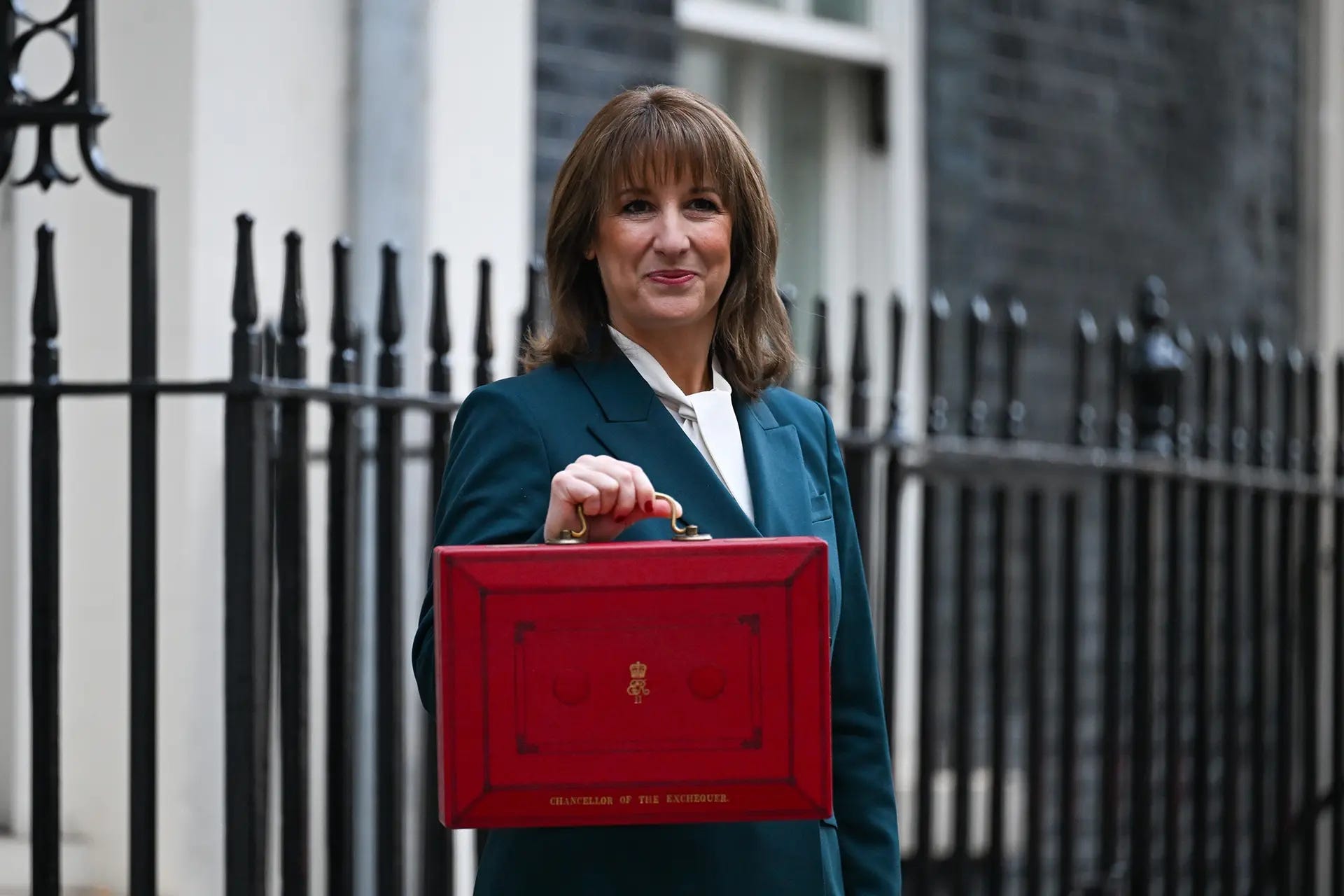
The Scale of Labour’s Tax Increases
Since coming to power, Labour has imposed tens of billions in extra taxation. In her October 2024 budget, Reeves announced a £40bn a year tax increase, including sharp rises in employer National Insurance contributions. This increase was the largest tax raising budget in the UK since 1993. This move was aimed to plug the reported black hole in public finances and fund public services but alas this wasn’t enough.
Then came the November 2025 Budget that added another £26bn in tax rises, Combined with earlier hikes, the total tax burden has climbed dramatically, pushing Britain towards the highest tax take as a share of GDP in the post-war era.
Frozen personal tax thresholds continue to drag more people into higher bands through fiscal drag, hitting working families and pensioners hard.
Employer National Insurance increases have raised costs for hiring, with knock-on effects for wages and job creation.
Business rates adjustments, inheritance tax pressures, and stealth taxes on pensions and property have compounded the pain across sectors.
Even mainstream media like the Express and Telegraph report that HMRC receipts have risen in headline terms, yet much of this stems from threshold freezes rather than genuine economic strength. Public sector borrowing pressures remain, and headroom evaporates quickly amid weaker and weaker growth forecasts. So you know whats coming next, another major tax hike in the Autumn of this year or early 2027.
Economic Reality Bites
The results were obvious to anyone with a small amount of economic understanding, quick surprising considering Reeves says she is an economist. New business formations have slumped, with record lows recorded in early 2026 as the tax burden deters enterprise. Hospitality has been particularly badly hit, with over 33,000 accommodation and food businesses closing in the 15 months following the first major Budget, equivalent to around 70 per day. Pubs alone are shutting at a rate of nearly 2 per day.
Unemployment forecasts have worsened, productivity remains sluggish, and growth projections continue to be downgraded. High marginal tax rates discourage extra work and investment, while businesses respond by cutting jobs, passing costs to employees, or relocating activity. The IMF and domestic analysts have highlighted the UK raising taxes at one of the fastest rates among major economies, yet sustainable tax revenue gains are elusive as activity slows.
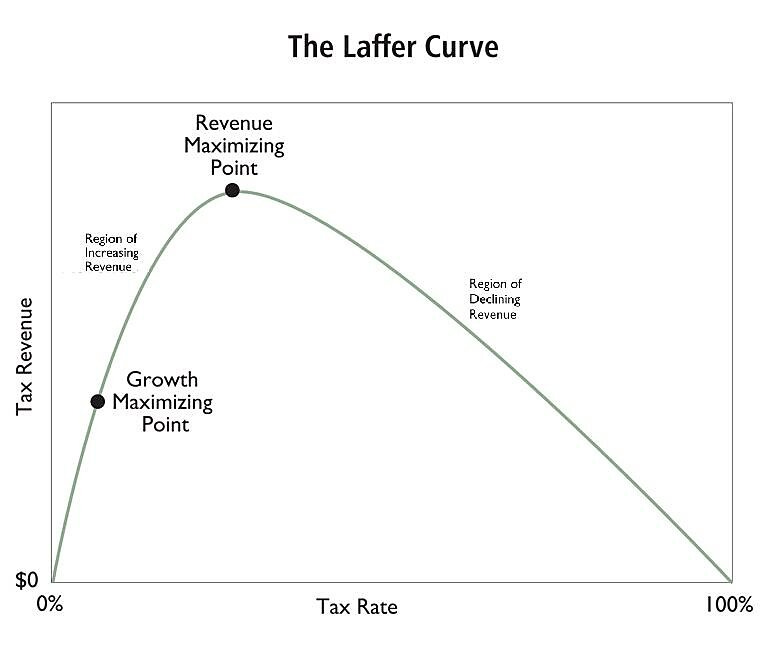
Economic commentators have consistently warned of reaching peak tax, the Laffer curve, where further hikes reduce overall receipts by stifling the productive economy including struggling high streets, rising welfare costs, and a public sector that absorbs more while delivering less.
Challenging the Failed Strategy
This insane high-tax, high-spend model is ideologically driven and economically illiterate. Reeves and Labour blame previous governments or shocks from the EU or the current war in Iran, yet their choices have accelerated the damage and did so well before these evens occured. Punitive employer taxes reduce hiring incentives, frozen thresholds erode take home pay for us ordinary workers, and the assault on pensions and family businesses undermines long. term saving and succession planning.
Blaming global events wears thin when domestic policy actively discourages the very growth needed to fill the Treasury’s coffers. The evidence is clear. You cannot tax your way to prosperity. Reeves policy of ‘regulating for growth’ is folly, its rubbish, you deregulate for growth. These raids are not repairing finances but are instead fuelling stagnation, higher borrowing needs, and hardship for workers and job creators alike.
Also remember that we have now reached a point where the amount of tax taken from the working does not cover the welfare bill for those that are not working, it’s utter madness.
And its not just this generation that will suffer and our kids, its our grandkids too. The countries debt is now nearing £3tn and someone has to pay that back, but Reeves & Co are taking on more and more debt, paying more and more debt interest and who pays it, yep the tax payer. They don’t give a shit, they just borrow more, leave office then pass it on to us to suffer and pay it all.
https://debt-clock.org/
A Better Path Forward
Britain requires a decisive shift to lower, simpler taxes that reward work, risk taking, and investment. Restore Britain offers precisely this alternative through policies focused on fiscal responsibility, scrapping damaging measures such as IR35, abolishing inheritance tax to protect family businesses and farmers, and ending stealth taxation. Their approach prioritises rewarding the nation’s grafters, reducing wasteful spending, and creating the conditions for genuine private sector growth rather than endless state extraction.
Rupert Lowe and Restore Britain have been clear that taxation must become low, visible, and accountable. This stands in direct contrast to Labour’s failing tax raids and provides the practical route to reversing decline, boosting employment, and restoring prosperity for British workers and families. Only by embracing such policies can we escape this cycle of diminishing returns and rebuild a dynamic, confident nation.